



Graston Technique & Soft Tissue Therapy in Bartlett, TN
Instrument-assisted soft tissue work and myofascial release to ease tight, restricted muscles and scar tissue.

Soft Tissue Therapy for Stubborn Muscle Tension
Dr. Jared Worthington, DC is certified in myofascial release techniques and uses the Graston Technique alongside adjustments and rehabilitation. A Logan University College of Chiropractic graduate, he examines the whole problem first so soft tissue work is aimed at the cause, not just the sore spot.


The Challenge
When Soft Tissue Therapy Makes Sense
Some pain lives in the muscles and connective tissue rather than the joints. A strained calf that never quite healed, a shoulder that locks up after long days at a desk, a heel that aches with the first steps every morning. Over time, repeated strain and old injuries can leave dense, sticky areas in muscle, tendon and fascia. Those spots limit how far you can move, and stretching, heat or a foam roller at home only gets you so far.
Soft tissue therapy targets those restrictions directly. With the Graston instruments, Dr. Worthington can feel areas of adhesion and treat them with controlled strokes, then use myofascial release by hand to lengthen the tissue. Many patients notice easier movement within a few visits. It pairs well with adjustments and with rehabilitation therapy in Bartlett, TN, so the tissue you free up gets stronger and stays that way.
What Is the Graston Technique?
Instrument-Assisted Soft Tissue Work
The Graston Technique is a trademarked form of instrument-assisted soft tissue mobilization (IASTM). It is a manual technique, not a drug or implanted device, used to address scar tissue, muscle tension and restricted fascia behind pain in the neck, back, shoulders, arms and legs.
The instruments glide over the skin and pick up areas that feel rough or restricted. Controlled pressure is thought to stimulate local blood flow and a healing response, and myofascial release then applies sustained hand pressure to stretch tight fascia. You may feel firm pressure. Changes usually build over several visits.
Treatment Timeline
Conditions We Treat
What Soft Tissue Therapy Can Help
Common Muscle and Tendon Problems
Trigger Points
Loosens tight muscle knots that refer pain to other areas
Tendonitis
Works on irritated tendons in the elbow, shoulder, knee and ankle
Plantar Fasciitis
Releases tight fascia and calf muscles behind heel pain
Neck Pain
Eases tension in the neck and upper back from posture and strain
Back Pain
Relaxes tight low back and hip muscles that limit bending
Whiplash
Supports recovery of strained neck muscles after a car accident
Why Patients Choose It
Benefits of Soft Tissue Therapy
Move Better, Hurt Less

- 01
Targets Scar Tissue
Instruments help locate and treat dense areas that fingers can miss
- 02
Better Range of Motion
Loosened tissue may let joints move more freely after treatment
- 03
Drug-Free Relief
A hands-on option for muscle pain without medication or injections
- 04
No Downtime
Return to work, driving and daily activity the same day
- 05
Works With Your Plan
Pairs with adjustments and exercise for longer-lasting change
- 06
Precise and Adjustable
Pressure is tailored to your comfort and the area being treated
Graston Technique vs Other Options

Not sure where to start, I was referred here by my physical therapist and was honestly pretty skeptical at first. But it’s been an overwhelmingly positive experience. Everyone is supportive and genuinely cares about your well-being. Dr. Worthington brings incredible energy and passion, and it’s clear he truly cares about helping you make real progress. I’ve had two back surgeries, and now on a third journey through back pain. After being adjusted and traction, I’m already noticing significant improvements. For the first time in a while, I feel like I’m starting to get my life back. A special shout out to Kayln, she’s incredibly friendly and takes customer service to a new level. Thank you for being so accommodating with my schedule.
 Jamil Abdelfattah
Absolutely amazing experience at this chiropractor office! From the moment I walked in, the staff was welcoming, professional, and made me feel comfortable. The office itself is clean, organized, and has such a positive atmosphere. A huge thank you to Dr. Jared for providing outstanding care and making the entire experience feel personal and professional. He took the time to listen, explain everything clearly, and made sure I was comfortable throughout the visit. You can truly tell he cares about his patients and wants the best for them. Also, Michelle and Kalyn at the front desk was incredible — so kind, helpful, and attentive from start to finish. She made scheduling and check-in easy and stress-free and always had a friendly attitude. If you’re looking for a chiropractor office with amazing staff, excellent care, and a welcoming environment, I highly recommend this place!
 Alexander Graham
I love every experience I have at Worthington Chiropractic. All of the staff work together to make sure every patient’s needs are met. I am especially thankful for Kalyn for her patience with my daughter when she comes with me. They are a family friendly business. 💗
 Karina Morgan
I was at my wits end with hip pain. I was informed about how great Dr. Worthington was, and that was absolutely true!! The ladies at the front desk Michelle and Kaylin, were so very sweet, kind, and very helpful. I had NEVER been to a chiropractor before but I trust Dr. Worthington and getting my hip corrected. I highly recommend the office!!!
 Tammy Stevens
Dr Worthington is amazing. He is so knowledgeable and explains everything so thoroughly. I instantly felt safe and comfortable in his care. I trust him and his staff. They are kind, patient and very accommodating with my schedule so i can get in and out before work. I’m so glad The Joint Clinic recommended me here!!!
 Sharita Baker

Who Is a Good Candidate for Soft Tissue Therapy?
Finding the Right Fit
Ideal Candidates for Graston Technique and Soft Tissue Therapy 
-
 Adults with trigger points and muscle knots in Bartlett, TN
- People with tendonitis in the elbow, shoulder, knee or Achilles
- Patients with heel pain from plantar fasciitis
- Those with lingering neck pain or low back pain and tightness
- Patients with neck muscle tension that may feed into tension headaches
- People healing from whiplash after a car accident
- Anyone with scar tissue from an old injury or surgery that has fully healed
Who Should Wait or Avoid Soft Tissue Therapy
- Open wounds, skin infections or unhealed incisions in the area
- Blood clots or suspected deep vein thrombosis
- Blood-thinning medication or easy bruising (discuss first)
- Recent fractures or acute, severe inflammation
- Active cancer in the treatment area
Your Visit
Soft Tissue Therapy Step by Step
What Happens During Treatment
- 01
Assessment
Dr. Worthington checks your movement and feels for tight or restricted tissue before treatment.
- 02
Warm-Up
The area is warmed and a light emollient is applied so the Graston instruments glide smoothly.
- 03
Graston Work
Dr. Worthington uses stainless steel instruments with controlled strokes over restricted tissue.
- 04
Myofascial Release
Sustained hand pressure and stretch lengthen tight fascia around the treated muscles.
- 05
Movement
You finish with stretches or rehab exercises to keep the new range of motion.
Safety First
Side Effects and Safety
What Is Normal
Graston Technique and myofascial release are generally well tolerated. The most common effects are temporary: tenderness in the treated area, skin redness and, in some cases, light bruising or small red spots from the instrument strokes. These usually fade within a few days. Pressure is adjusted to your comfort, so tell Dr. Worthington if anything feels too intense.
Because the technique puts pressure on tissue, it is not used over open wounds, infections, blood clots, recent fractures or areas of active cancer, and extra care is taken if you bruise easily or take blood thinners. If pain is severe, sudden or comes with numbness, weakness or fever, you may need medical testing before soft tissue work. MedlinePlus offers more on muscle and tendon injuries.
Investment
Soft Tissue Therapy Cost in Bartlett, TN
Clear Pricing and Payment Options
How Much Does Graston Technique Cost in Bartlett?
Soft tissue therapy is usually part of a broader treatment plan rather than a stand-alone service, so cost depends on the area treated, how many visits you need and what else is in your plan, such as adjustments or rehab. We go over your plan and cost after your exam, before you commit to anything.
Your First Visit
Your first visit includes a consultation, a full chiropractic exam, X-rays if needed and your first adjustment. It is an easy way to find out whether soft tissue therapy fits your problem.
Flexible Payment Options
- Cherry - flexible monthly payment plans
- CareCredit - healthcare financing for treatment plans
Contact our Bartlett, TN office with questions about pricing or payment before your first visit.
Our Difference
Why Choose Worthington Chiropractic for Soft Tissue Therapy in Bartlett, TN
Care That Feels Like Family
Certified Provider
Certified in myofascial release and trained in the Graston Technique
Full Exam First
Exam and on-site X-ray when needed, so treatment targets the cause
Complete Toolbox
Dry needling, shockwave, laser and rehab under one roof
Trusted Locally
Nearly 300 five-star Google reviews from Memphis-area patients
Award-Winning Clinic
Named best chiropractic clinic in the 2025 Memphis Most Awards
Walk-Ins Welcome
Open Monday to Friday, 8 AM to 6 PM, on Stage Road in Bartlett
Related Care
Related Services
Soft tissue therapy works well alongside these treatments.

Chiropractic Adjustments
Precise, hands-on spinal adjustments that restore alignment, ease pain and help you move freely.
Learn More
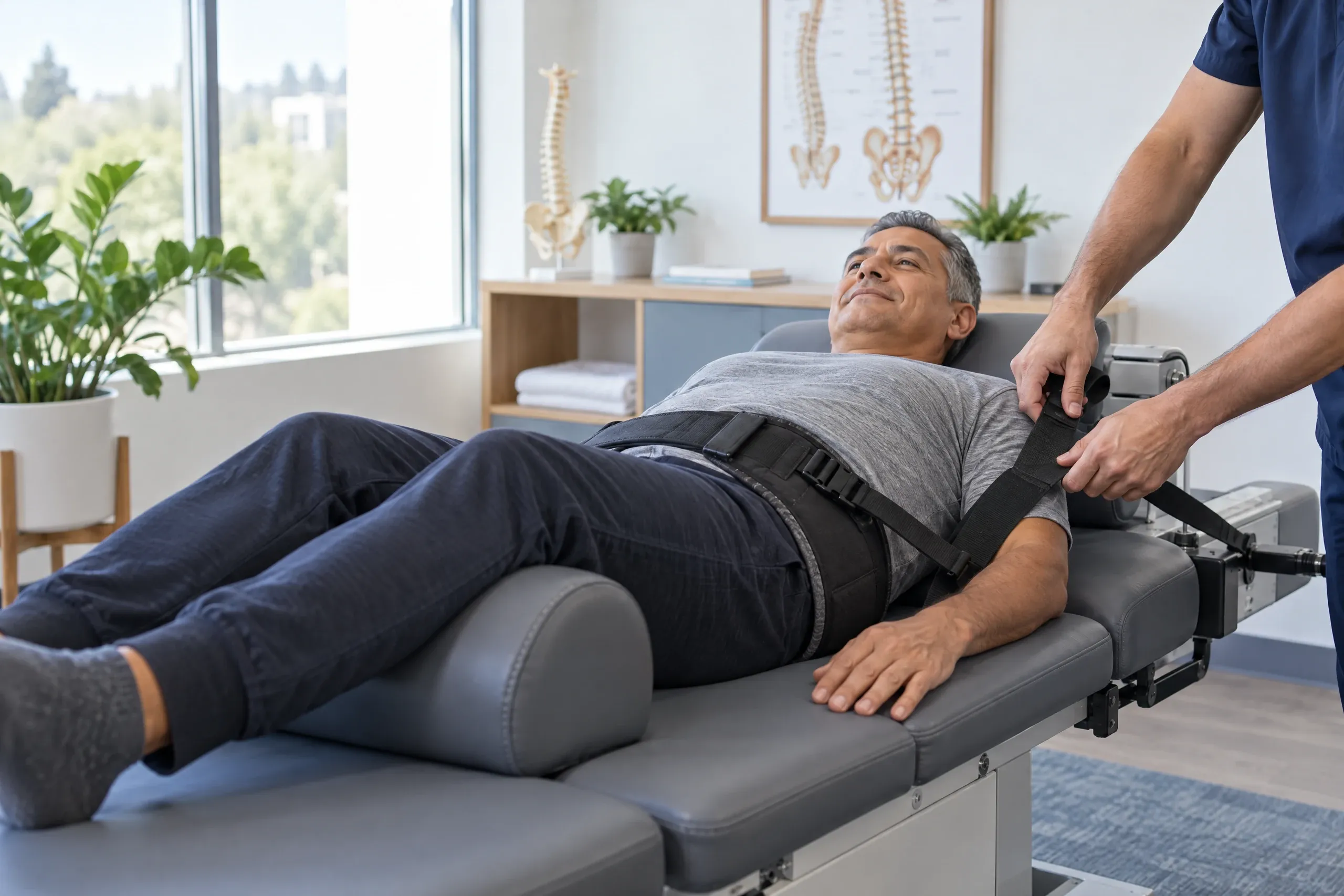
Spinal Decompression Therapy
Gentle, computer-controlled traction on the Triton 6M to ease disc pressure and nerve pain.
Learn More 
Prenatal Chiropractic
Gentle, pregnancy-safe adjustments for back, hip and pelvic comfort as your body changes.
Learn More Common Questions
Graston Technique FAQs
Answers Before Your Visit
How much does Graston Technique cost in Bartlett, TN?
Cost depends on your treatment plan, since soft tissue therapy is usually combined with other care. We explain your plan and cost after the exam. Your first visit includes a consultation, full chiropractic exam, X-rays if needed and a first adjustment. Cherry and CareCredit financing are available.
Does Graston Technique hurt?
Graston Technique can feel uncomfortable, but it should not be painful. Most patients describe firm pressure and a scraping sensation over tight spots. Dr. Worthington adjusts the pressure to your comfort level throughout the session. Mild soreness or redness for a day or two afterward is common and usually fades quickly.
How long does a soft tissue therapy session take?
Soft tissue work usually takes a portion of a regular visit rather than a separate appointment. Graston strokes and myofascial release are focused on the problem area, then followed by stretches or exercises. The exact time depends on how many areas need attention and what else is included in your visit that day.
When will I notice results from Graston Technique?
Many patients notice looser, easier movement within the first few visits. Longer-lasting change usually builds over several weeks as the tissue remodels and you strengthen the area. Older injuries and long-standing scar tissue may take more time. Results vary from person to person, and we track your progress at each visit.
How often will I need soft tissue therapy?
Most plans start with one or two visits per week, then taper as you improve. Frequency depends on your condition, how long it has been going on and how your body responds. Dr. Worthington reviews your progress regularly and adjusts the plan so you are not coming in more often than you need to.
What is the difference between Graston Technique and massage?
Graston Technique uses stainless steel instruments to find and treat specific areas of scar tissue and restriction, while massage uses the hands to relax muscles more generally. Graston work is targeted and short, and it is part of a clinical plan that may also include adjustments, myofascial release and rehab exercises.
What is myofascial release?
Myofascial release is a hands-on technique that applies slow, sustained pressure and stretch to fascia, the connective tissue that wraps your muscles. When fascia tightens after injury or overuse, it can limit movement and cause pain. Dr. Worthington is certified in myofascial release and often combines it with Graston work.
Who is a good candidate for soft tissue therapy?
Adults and athletes with muscle knots, tendonitis, plantar fasciitis, neck or back tightness, or old scar tissue are often good candidates. It may not be right for people with open wounds, blood clots, recent fractures or active cancer in the area. A full exam comes first so we can confirm soft tissue therapy fits your problem.
Is Graston Technique the same as dry needling?
No, they are different tools for similar problems. Graston Technique works on the surface of muscles, tendons and fascia with instruments, while dry needling uses thin needles to reach deep trigger points. Dr. Worthington is trained in both and may use one or combine them depending on where your pain comes from.
Can soft tissue therapy help with headaches?
It may help some tension-type headaches linked to tight neck and upper back muscles, though it is not a cure. Soft tissue work is usually one part of a plan that can include adjustments. Sudden, severe or unusual headaches need prompt medical evaluation first, and we refer out when symptoms suggest another cause.
- Hours
- Monday to Friday, 8AM to 6PM
- Phone
- (901) 519-7777
Ready to Feel Better?
Schedule Your Appointment
References
- Cheatham et al., J Can Chiropr Assoc. (2016). A systematic review found early but limited evidence that instrument-assisted soft tissue mobilization may improve range of motion. PMID: 27713575.
- Seffrin et al., J Athl Train. (2019). A systematic review and effect-size analysis of instrument-assisted soft tissue mobilization for pain, range of motion and function. PMID: 31322903.
- Nazari et al., Disabil Rehabil. (2023). Effectiveness of instrument-assisted soft tissue mobilization for the management of upper body, lower body and spinal conditions, an updated systematic review with meta-analyses. PMID: 35611579.
- Tang et al., BMC Musculoskelet Disord. (2025). A systematic review and meta-analysis of instrument-assisted soft tissue mobilization for pain and function in musculoskeletal disorders. PMID: 40087631.
- Laimi et al., Clin Rehabil. (2018). A systematic review of myofascial release for chronic musculoskeletal pain found low-quality, mixed evidence. PMID: 28956477.
- Wu et al., Front Med (Lausanne). (2021). A systematic review and meta-analysis of myofascial release for chronic low back pain. PMID: 34395477.