


Plantar Fasciitis Treatment in Bartlett, TN
Take Your First Steps Without Heel Pain


Understanding Your Feet
What Is Plantar Fasciitis?
Plantar fasciitis is irritation and degeneration of the plantar fascia, the thick band of connective tissue that runs along the bottom of your foot from the heel bone to the base of the toes. It supports your arch and absorbs force every time your foot hits the ground. It is one of the most common causes of heel pain in adults.
When you swing your feet out of bed in the morning and the first few steps feel like stepping on a bruise or a sharp stone, you are feeling the classic sign of plantar fasciitis. The pain usually sits on the inside of the heel, eases a bit once you get moving, then returns after long periods of standing or after you get up from a chair.
Many patients in Bartlett and the greater Memphis area tell us heel pain slowly shrinks their day. They skip the evening walk, cut a workout short, or dread a long shift on hard floors. Left alone, the problem can linger for months, which is why a clear plan matters.
Table of Contents
- 01 Why Plantar Fasciitis Happens

- 02 Heel Spurs, Healing and Chronic Pain
- 03 What Makes Plantar Fasciitis Worse?
- 04 Why Choose Worthington Chiropractic for Plantar Fasciitis Care in Bartlett, TN
- 05 Treatment Options Comparison
- 06 You May Be Experiencing Plantar Fasciitis If...
- 07 Related Services
- 08 Frequently Asked Questions
- 09 Scientific References

The Science
Why Plantar Fasciitis Happens
Your plantar fascia acts like a bowstring under the arch. With every step it stretches and recoils, and while running it can briefly carry loads of several times your body weight. Healthy tissue repairs small amounts of strain between activities. When the load outpaces that repair, tiny tears build up where the fascia attaches to the heel bone.
Although the name suggests inflammation, research shows long-standing plantar fasciitis is often degenerative, with thickened, disorganized collagen and poor blood flow at the heel. The American Academy of Orthopaedic Surgeons notes that most people improve with conservative, non-surgical care. That is why therapies that encourage tissue repair, such as shockwave therapy for plantar fasciitis, are a core part of heel pain treatment.
Tight calf muscles and a stiff Achilles tendon pull on the back of the heel and increase tension through the fascia. Weak foot and hip muscles let the arch collapse more with each step, adding even more strain to an already irritated attachment point.
Deeper Understanding
Heel Spurs, Healing and Chronic Pain
Many people with heel pain are told they have a heel spur. A spur is a small bony growth where the fascia and foot muscles attach, and it often shows up on X-rays of people with no pain at all. In most cases the irritated fascia, not the spur, is the source of the discomfort, which is why treatment focuses on the soft tissue.
The heel attachment has a limited blood supply, so repair can be slow. Each morning the fascia tightens overnight and then gets re-strained with the first steps, restarting the cycle. Laser therapy for pain uses low-level (cold) laser light to support cellular repair and ease discomfort in tissue that has been slow to heal.
Compensation adds up over time. People with sore heels often shift weight to the outside of the foot or change their stride, which can irritate the knee, hip or lower back. Hands-on soft tissue therapy for the calf and arch, along with guided rehabilitation exercises, helps restore more normal mechanics.
Contributing Factors
What Makes Plantar Fasciitis Worse?
Identifying Your Triggers
Sudden Activity Changes
Adding miles, starting a new sport or walking far more than usual can load the fascia faster than it can adapt.
Long Hours Standing
Jobs on concrete or hard floors, such as warehouse, retail and healthcare work, keep steady pressure on the heel all day.
Tight Calves
Limited ankle flexibility from tight calf muscles or a stiff Achilles tendon increases pull on the bottom of the foot.
Unsupportive Footwear
Worn-out shoes, flat sandals and going barefoot on hard surfaces reduce cushioning and arch support.
Body Weight Changes
Higher body weight, or a recent gain such as during pregnancy, increases the force the fascia absorbs with every step.
Foot Structure
Very flat feet or high arches change how force spreads across the foot and can concentrate stress at the heel.
Why Worthington
Why Choose Worthington Chiropractic for Plantar Fasciitis Care in Bartlett, TN
Expert Care in Bartlett
Thorough Evaluation
We look at your foot, ankle, calf, knee and gait, with on-site X-ray when needed, to find what is loading the heel.
Shockwave and Cold Laser
Acoustic shockwave and low-level cold laser therapy are available under one roof, without drugs or surgery.
Hands-On Soft Tissue Work
Graston Technique and myofascial release address tight calves and arch tissue that keep the fascia under strain.
Trusted by Neighbors
Winner of the 2025 Memphis Most Award for best chiropractic clinic, with nearly 300 five-star Google reviews.
Extremity Certified
Dr. Worthington is certified in extremity rehabilitation and adjusting, so feet and ankles get the same care as spines.
Walk-Ins Welcome
Open Monday to Friday, 8 AM to 6 PM on Stage Road in Bartlett, with walk-ins welcome.
Treatment Options Comparison
Is This You?
You May Be Experiencing Plantar Fasciitis If...
Recognizing When to Seek Help
First Steps Hurt
Your first steps out of bed feel sharp or stabbing in the heel, then loosen up after a few minutes of walking.
Pain After Sitting
Standing up after a movie, a meal or a long drive brings the heel pain right back for the first several steps.
Inner Heel Tenderness
Pressing on the bottom inside edge of your heel feels sore, like a deep bruise that does not fade.
Worse After Activity
Your heel feels okay during a walk or workout but aches more later that evening or the next morning.
Arch Tightness
The arch feels tight or pulls when you flex your toes upward or climb stairs.
Changing How You Walk
You catch yourself limping, walking on your toes or shifting weight to the outside of your foot to avoid pain.
Treatments
Related Services
Explore the non-surgical therapies we use for plantar fasciitis.
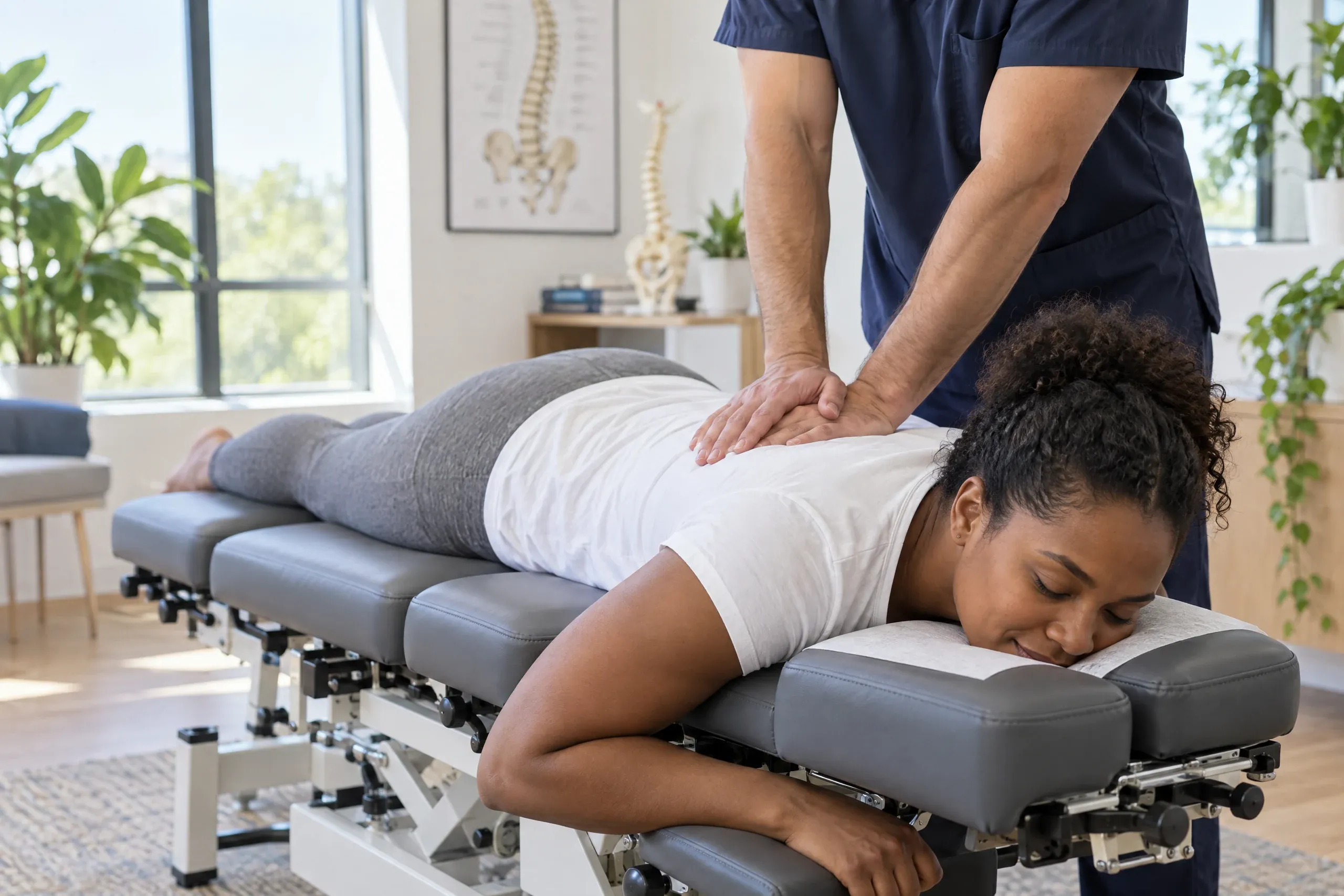
Chiropractic Adjustments
Precise, hands-on spinal adjustments that restore alignment, ease pain and help you move freely.
Learn More
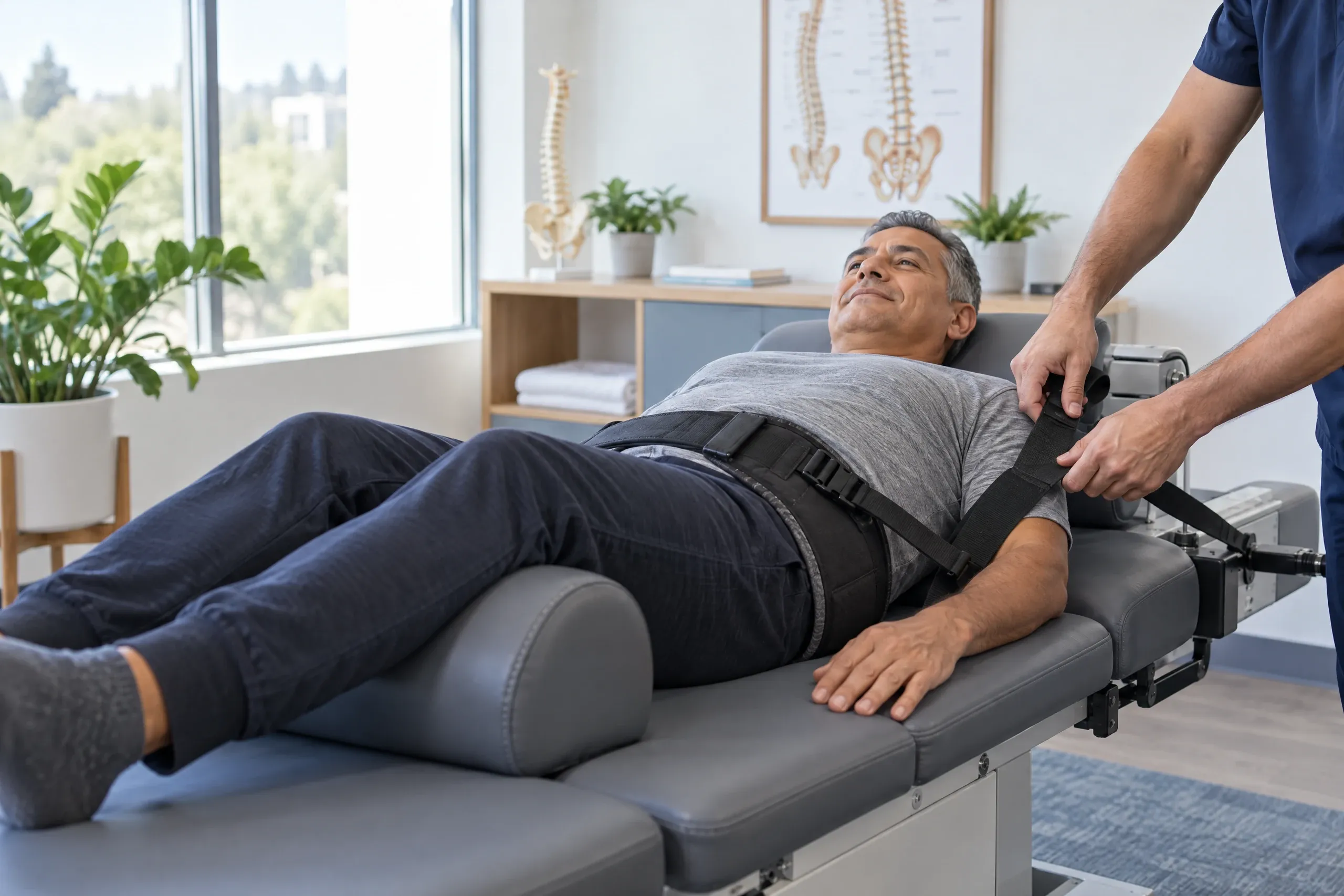
Spinal Decompression Therapy
Gentle, computer-controlled traction on the Triton 6M to ease disc pressure and nerve pain.
Learn More 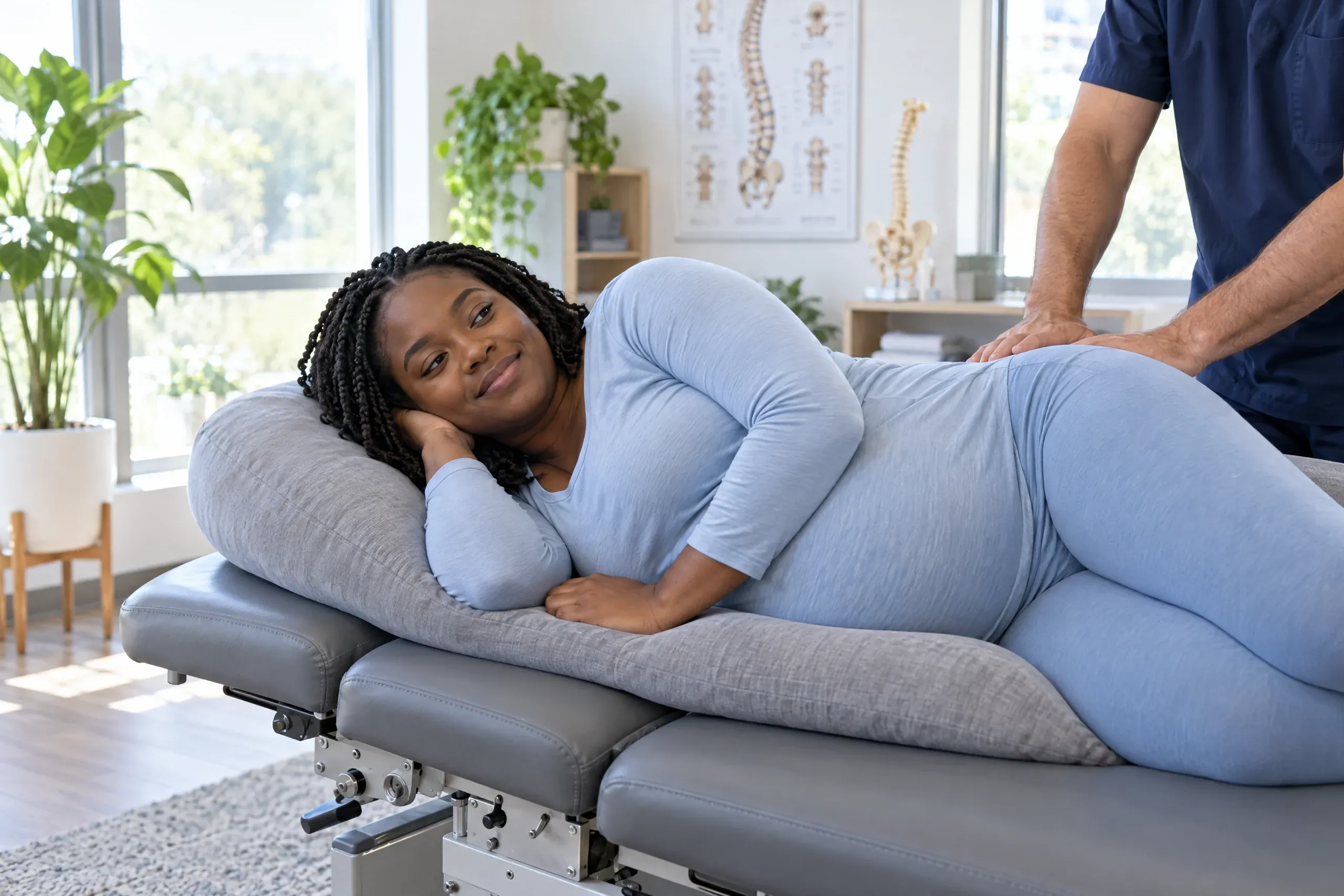
Prenatal Chiropractic
Gentle, pregnancy-safe adjustments for back, hip and pelvic comfort as your body changes.
Learn More Your Questions
Frequently Asked Questions
About Plantar Fasciitis
Can a chiropractor help with plantar fasciitis?

Yes, many patients find relief with conservative chiropractic care. At Worthington Chiropractic, Dr. Worthington combines shockwave therapy, cold laser therapy, soft tissue work and targeted exercises to reduce strain on the fascia and support healing, without medication or surgery.
How long does plantar fasciitis take to heal?
Recovery varies, but many people improve over several weeks to a few months with consistent care. Chronic cases that have lasted a year or more usually take longer. We track your progress at each visit and adjust your plan as your heel responds.
Is shockwave therapy good for plantar fasciitis?
Research supports shockwave therapy as an option for chronic plantar fasciitis that has not improved with rest and stretching. It delivers acoustic waves to the heel to stimulate the body's repair response. Many patients notice gradual improvement over the weeks after a series of sessions.
What is the difference between cold laser and shockwave therapy?
Cold laser therapy uses low-level light to support cellular repair and ease discomfort, and it is gentle and painless. Shockwave therapy uses acoustic pressure waves to restart healing in stubborn tissue. We often combine them, depending on how long your heel has hurt.
What can I do at home for heel pain?
Calf and arch stretches before getting out of bed, supportive shoes instead of going barefoot on hard floors, and rolling the arch over a frozen water bottle may all help. Easing back on high-impact activity for a while gives the fascia time to calm down.
Can plantar fasciitis come back?
It can, especially if tight calves, weak foot muscles or worn-out shoes are not addressed. That is why our plans include rehabilitation exercises and footwear guidance, so you have tools to protect your heels after your pain settles.
When should I see someone about heel pain?
Schedule a visit if heel pain lasts more than a couple of weeks, keeps you from walking or exercising, or wakes you at night. Seek prompt care for numbness, a hot swollen heel or pain after a fall or injury. Walk-ins are welcome at our Bartlett office.
- Hours
- Monday to Friday, 8AM to 6PM
- Phone
- (901) 519-7777
Ready to Feel Better?
Schedule Your Appointment
Scientific References
- Martin RL et al., Journal of Orthopaedic and Sports Physical Therapy. (2014). Clinical practice guideline on heel pain and plantar fasciitis covering risk factors, diagnosis and conservative interventions. PMID: 25361863.
- Trojian T et al., American Family Physician. (2019). Review of plantar fasciitis diagnosis and management, noting that most patients improve with conservative treatment. PMID: 31194492.
- Riddle DL et al., Journal of Bone and Joint Surgery (American). (2003). Case-control study identifying reduced ankle dorsiflexion, higher body mass index and prolonged standing at work as risk factors for plantar fasciitis. PMID: 12728038.
- Charles R et al., Frontiers in Immunology. (2023). Systematic review and meta-analysis of shockwave therapy for patellar tendinopathy, Achilles tendinopathy and plantar fasciitis, reporting pain reduction in plantar fasciitis. PMID: 37662911.
- Ferlito JV et al., Lasers in Medical Science. (2023). Systematic review and meta-analysis of photobiomodulation (low-level laser) therapy for pain intensity and disability in plantar fasciitis. PMID: 37464155.
- Macias DM et al., Journal of Foot and Ankle Surgery. (2015). Placebo-controlled randomized study of low-level laser therapy at 635 nm reporting reduced heel pain in chronic plantar fasciitis. PMID: 25769363.